TheVirginia rose, also known as a common wild rose or prairie rose, is a woody perennial in the rose family native to eastern North America, where it is the most common wildrose. ~ Wikipedia
The pollen on the wild rose’s yellow anthers are an important food source for many beneficial insects, including bees. The rose hips they produce are a winter food for birds and mammals such as waxwings, grouse, pine grosbeaks, rabbits, and even coyotes.
I took these pics in July. They grow everywhere in our province, but these are from my daughter’s garden at her summer home in Lead Cove, NL.
Can you tell I miss summer already?
What’s your favourite wild flower?
I recently discovered Wandering Canadians travel and adventure blog and am now a follower.
Who are the Wandering Canadians?
“We’re a couple of Canadians who enjoy hiking, camping, cross-country skiing, diving, and spending as much time outdoors as we can. We hope our stories can help as you plan for your adventures. Thanks for reading.” –L & K
I was thrilled to come across their post from July where they describe their 10-day trip to the island portion of my own province, Newfoundland and Labrador.
The photography is stunning too. But please don’t take my word for it, click on the highlighted post below and see for yourself.
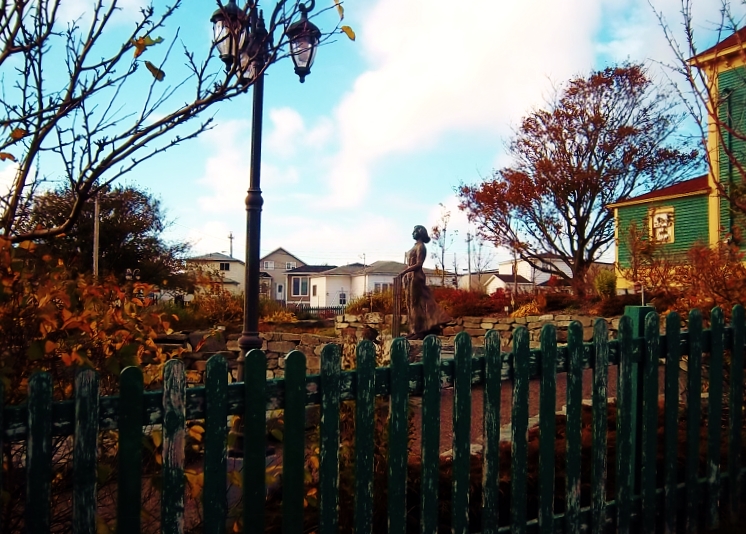
I don’t know about you, but I find these fall photos I took in scenic Grand Bank as Halloween-ghostly as they are eye-catching.
The story behind this memorial is one of tragedy and loss, a familiar one for many who live on this island in the North Atlantic.
From the Town of Grand Bank’s website:
“This is the Mariners’ Memorial: a life-size female figure and a water and beach rocks “shoreline” containing the names of the mariners who were lost at sea. The woman represents and exemplifies the virtues and strength of character of thousands of Newfoundland wives, mothers, daughters, and sisters who had to endure the loss of their men. She is standing alone on the widow’s walk staring in the distance. Her body is full of tension, anticipation and premonition of tragedy. Like a withered tree, she remains there eternally expecting those who will never return.”
To see more of my photos from historic Grand Bank, NL,click here.
“People that hate cats will come back as mice in their next life.” – Faith Resnick
Cats, even the cutest of kittens, have a killer instinct. It’s an inherited and hard-wired behavior put into practice by the time a kitten is barely a month old. Mother cats will teach their kittens to hunt by example using trilling and other sounds to indicate the type of prey brought to the den. When kittens are about four weeks old, she brings dead prey to teach identification of prey species and later live prey to teach how to catch and kill. Kittens soon learn to swat, pounce and scoop with their claws extended. They learn to bring the prey home to share as their mother did for them and to play with the prey.
As adults, cats will bring humans (mother substitutes) their bounty as a shared offering. Depending on what’s available, it could be an actual mouse carcass or perhaps a toy mouse in your shoe.*
To all the cats we’ve loved before
you beautify our wall decor
both with us and long gone
our love goes on and on
to all the cats we’ve loved before.
Our cat wall includes several images of Maisie and Vivian, our grandkitties Moochie, Ginger and Joey, as well as Padmé, Smoki, Sandy, Mitzi, and Timmy.
Missing from collection: Puff, Jinx and Tiger. Sorry, my kitties, I couldn’t find any photos of you!
Happy Sunday, everyone, and Happy Thanksgiving to my Canadian friends and followers!
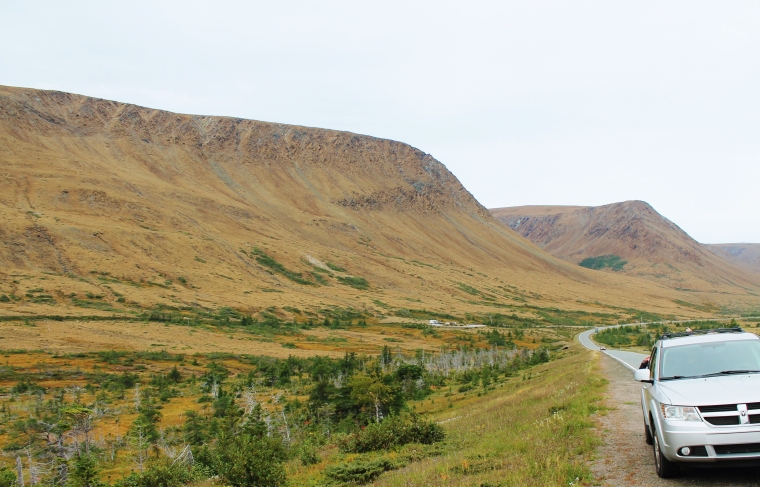
On our trip to the west coast of Newfoundland this past weekend, we took a drive to see one of the best-loved sites in the area, the Tablelands.
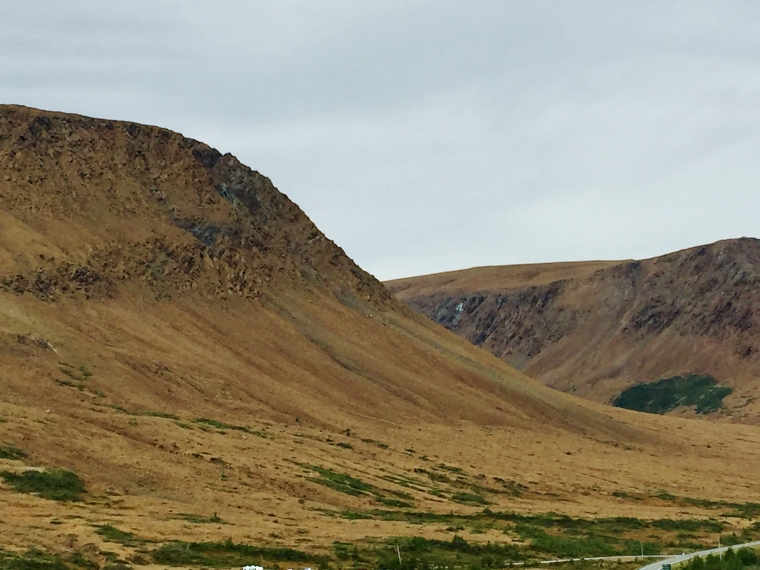
The Tablelands, found between the towns of Trout River and Woody Point south-west of Gros Morne National Park, look more like a barren desert than traditional Newfoundland.
This is due to the ultramafic rock (high in minerals), peridotite, which makes up the Tablelands. It originated in the Earth’s mantle and was forced up from the depths during a plate collision several hundred million years ago. Peridotite lacks the usual nutrients required to sustain most plant life, hence its barren appearance. Peridotite is high in iron, which accounts for its brownish rust colour.
Sometimes we sit lamenting as memory traces back The old familiar landmarks that we miss from off our track. They’ve built the railway stations where our feet were wont to skate, They motor over footpaths where our lovers used to wait. But there’s one left still – dear old Signal Hill.*
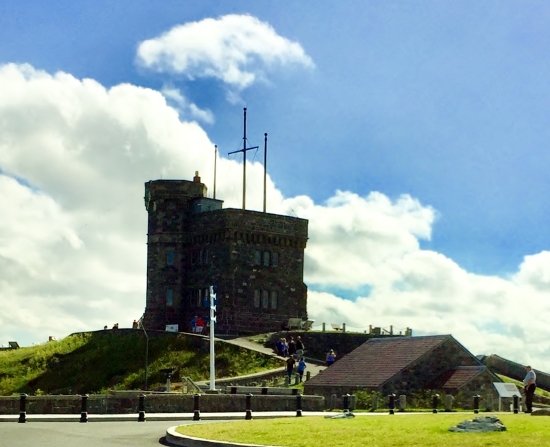
I’ve always loved Signal Hill. That’s probably why I incorporated into a couple of scenes in my debut novel, Calmer Girls.
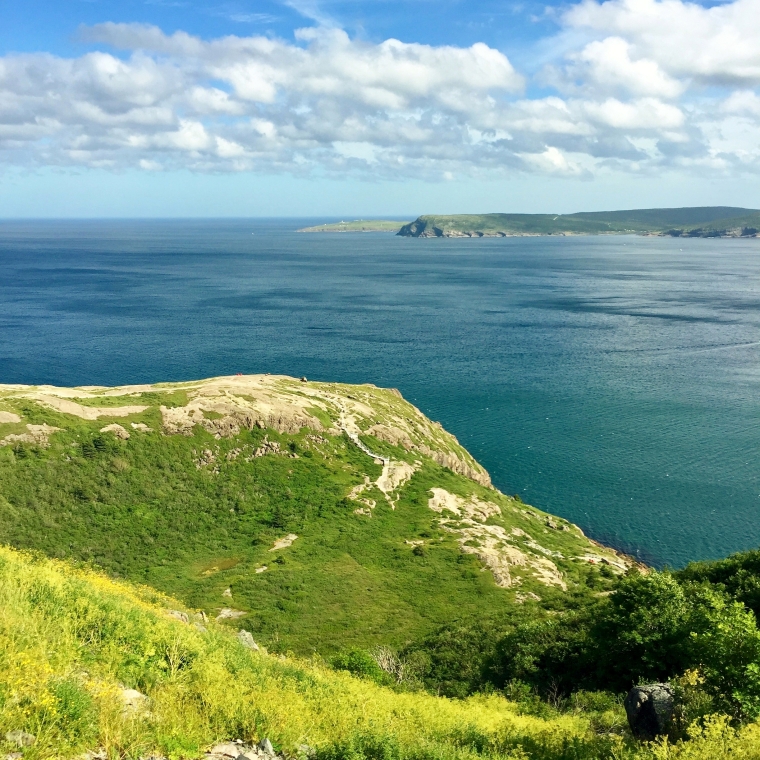
Overlooking St. John’s Harbour and the Atlantic Ocean, it is the capital city’s most popular tourist attraction.
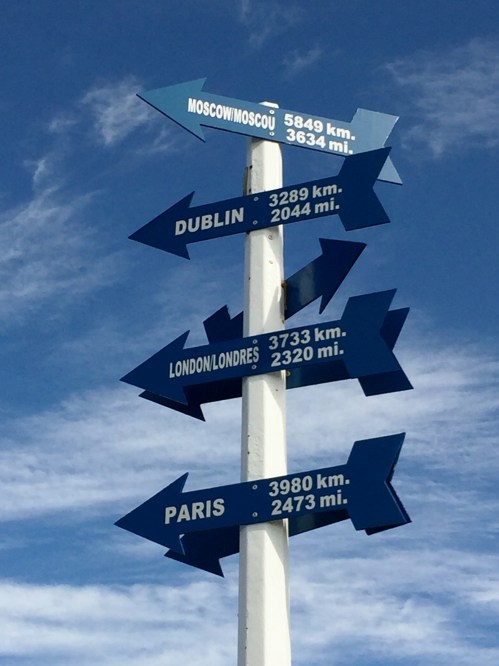
I take the time every summer to pay a visit, and this past July was no exception. Here are a few shots from that gorgeously sunny and breezy day – then again, as any tourist can attest, it’s always quite breezy atop this hill!
The iconic Cabot Tower – jenniferkellandperry.com
In the distant past, Signal Hill has been the setting for victorious battle, the location for Marconi’s monumental establishment of wireless telegraph communication, and a signalling station for approaching ships.
Today it is a National Historic Site under Parks Canada.
The best thing I like about Signal Hill?
The views, of course!
jenniferkellandperry.com
If you look closely at some of my pics, you can see the trail around the hill.
This is not a hiking trail for the faint of heart.
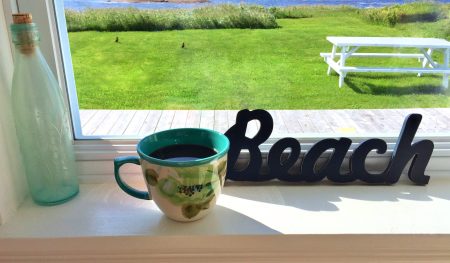
Now that summer is drawing to a close and I’m back to work on my manuscript, coffee has once again become more vital to my daily routine. Yes, writers and their coffee is a cliché but with good reason. Many of us can’t live without it!
Straight up black is the way I drink it, preferably served in my favourite mug. I love the wide lip and pretty colours on this hand-painted beauty.
My writing brain works best in the early morning, so while I wait sleepy-eyed for the coffee to brew, I picture a caffeine-craving miniature version of myself swimming across the surface of a full cuppa java, gulping as I go. Mmmmm…
What goes best with a cup of coffee? Another cup.
– Henry Rollins
Do you love coffee as much as I do? Black or with sugar and cream? Or is tea your go-to hot beverage? Please share with me below!
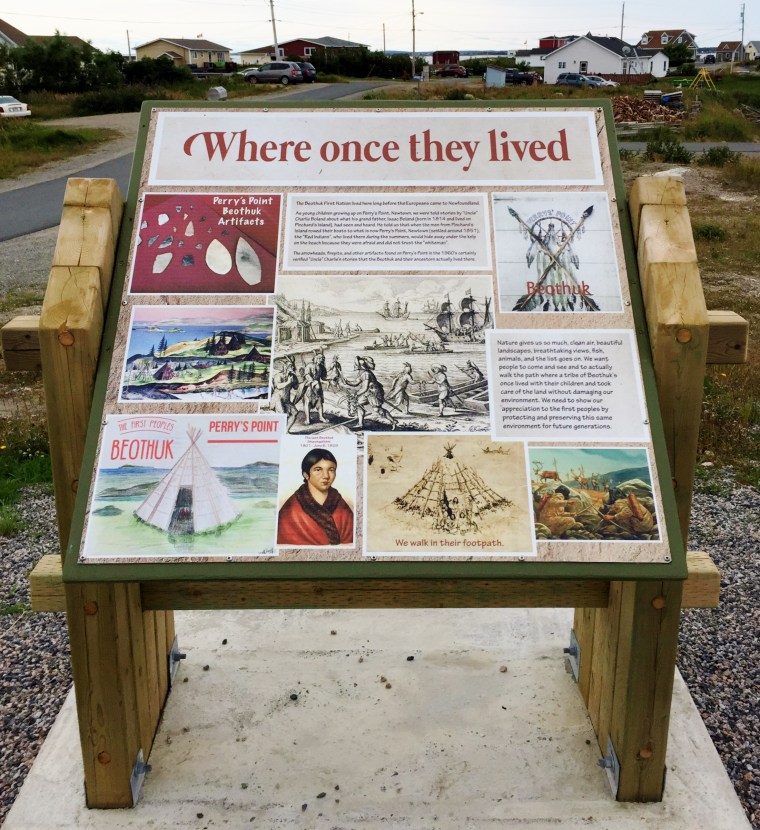
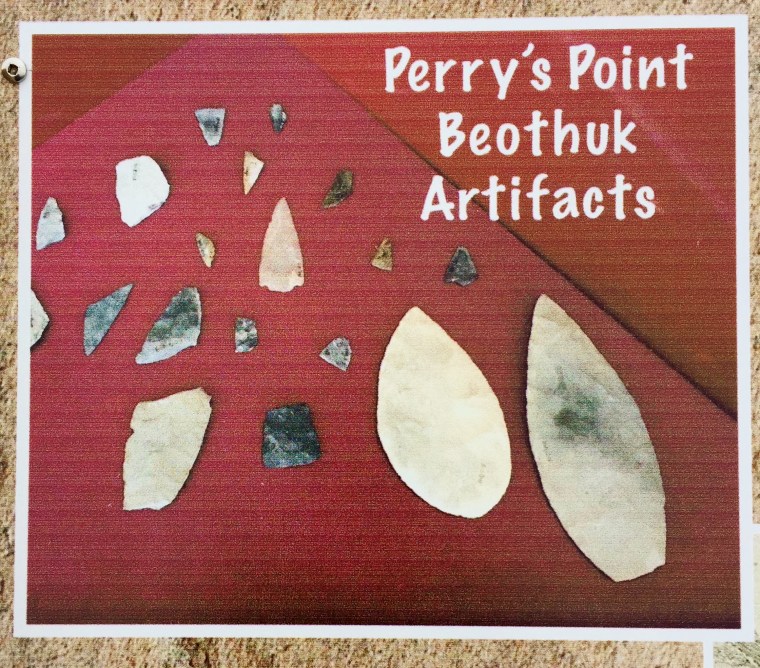
This past summer, Perry’s Point here in Newtown, Newfoundland & Labrador received a new addition. A project of the Cape Freels Development Association, this information display is a reminder and a history lesson to all about the first people who inhabited this area: the Beothuks.
I will let the display speak for itself.
Please read to learn more about this fascinating First Nation.
Thank you to the Cape Freels Association, Winston Perry, and to anyone else involved in this worthy initiative.
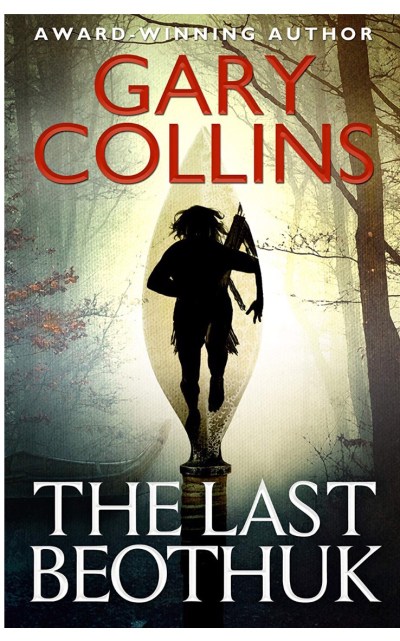
As it happened, earlier this year I readThe Last Beothuk, the newest release by localauthor Gary Collins. I wholly recommend this historical novel to anyone interested in learning more about the way of life of these indigenous people and what ultimately became of them.
Inspired by True Events:
“Long after Demasduit’s skull has been stolen from her grave, and years after Shanawdithit has died, one Beothuk and his family survive. Bursting out of the pages of Newfoundland history appears Kop, the last true Beothuk. When all the other members of his tribe are exterminated by the Europeans, Kop seeks revenge against the Unwanted Ones. Hidden among the Bear Clan of the Mi’kmaq, the Beothuk strikes back. Follow Kop on his trail of defiance against the European marauders upon his Island. See what becomes of a man who has nothing to lose or live for. Stay with him on a hundred trails and sit with him across the smoke of a hundred campfires. You will not only weep for the last Beothuk—you will cheer him on as he pushes back against the Unwanted Ones.”






 On our trip to the west coast of Newfoundland this past weekend, we took a drive to see one of the best-loved sites in the area, the Tablelands.




 Now that summer is drawing to a close and I’m back to work on my manuscript, coffee has once again become more vital to my daily routine. Yes, writers and their coffee is a cliché but with good reason. Many of us can’t live without it!



 Jennifer's Journal